
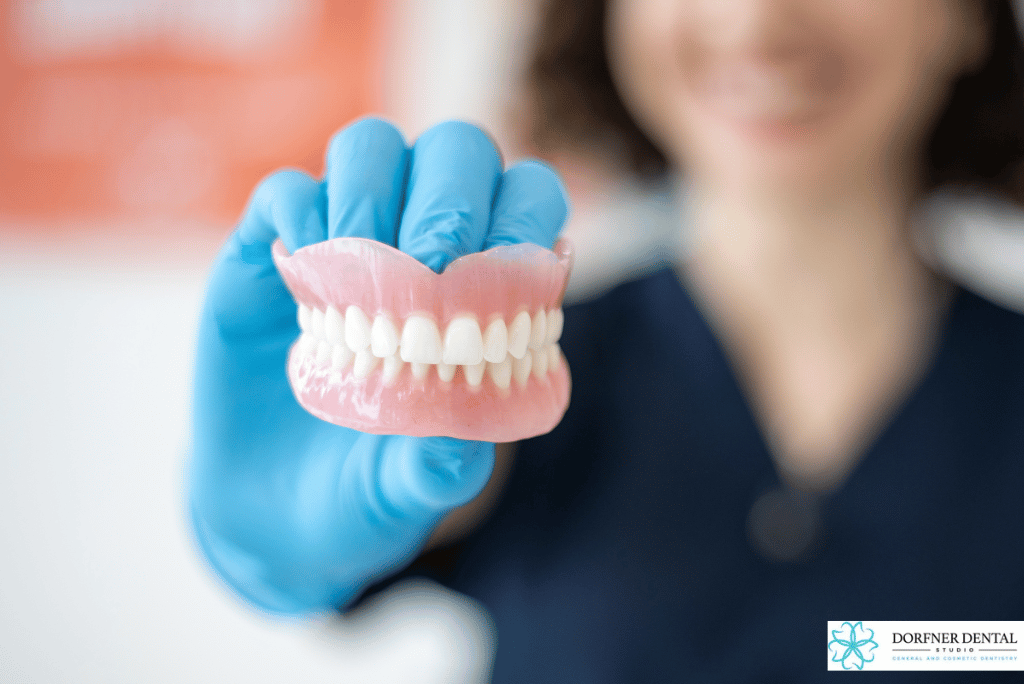
Complete dentures usually last around 7 to 10 years with proper care. Over time, changes in your mouth and daily wear can lead to staining, changes in fit, and reduced function. When this happens, your dentures may need to be relined—or replaced.
What Affects How Long Dentures Last?
Most dentures don’t fail suddenly. They wear out gradually and become less effective over time. Several things influence how long your dentures stay in good shape.
-
- Bone resorption: Once you lose your natural teeth, your jaw starts to shrink. This bone loss affects the fit of your dentures.
-
- Material wear: Dentures are made from acrylic. The biting surfaces slowly wear down from daily chewing.
-
- Staining: Time, food, and drinks can stain denture surfaces, which brushing alone may not fully remove.
-
- Oral hygiene practices: How well you care for your dentures and your gums plays a big role.
-
- Lifestyle habits: Teeth grinding, chewing on hard foods, and poor dental care can cause your dentures to break down faster.

Full Dentures vs. Partial Dentures
Dentures come in more than one type, and the kind you wear plays a role in how long they last.
Full dentures are used when there are no natural teeth left in the upper or lower jaw. These typically last 7 to 10 years with proper care. Changes in jaw structure over time may require a reline or full replacement.
Partial dentures are used when some natural teeth remain. These fit around your remaining teeth and are held in place by metal or plastic clasps. They also last about 7 to 10 years, but may need earlier replacement if your remaining teeth shift or are lost.
Related Article: How Long Do Dental Crowns Last? Lifespan and Care Guide
When to Reline vs. When to Replace
As jaws and gums change, dentures stop fitting as they should. Knowing when a reline will help—and when it’s time for a new set—can keep you comfortable and maintain oral function.
Reline
A reline reshapes the base of your existing dentures to match your gums as they change. It improves the fit but keeps the original base and teeth.
You may need a reline if:
-
- Your dentures feel loose, but are still in good condition
-
- You notice minor gum shrinkage over time
-
- Chewing feels less stable, but there’s no visible damage
Dentists often recommend relining every 1 to 2 years.
Remake
A remake involves making new dentures from the ground up. You may need a full replacement when:
-
- Cracks or fractures appear
-
- You have recurring sore spots or difficulty chewing
-
- The fit of your dentures changes significantly due to bone loss
-
- The denture teeth are worn flat
In many cases, replacement doesn’t mean something went wrong—many people simply outgrow their dentures with time.
How to Make Dentures Last Longer
Taking proper care of your dentures every day helps them last longer and keeps your mouth healthy. Here are simple daily habits that support denture health and protect your oral health:
-
- Brush your dentures every evening using a soft-bristle brush and non-abrasive cleanser
-
- Rinse dentures after meals to remove food debris
-
- Soak dentures overnight in water or a denture-cleaning solution
-
- Do not use hot water—it can distort the shape of your dentures
-
- Don’t sleep with your dentures in
-
- Clean your gums, tongue, and any remaining teeth
-
- See your dentist regularly for checkups and to evaluate the fit of your dentures
These steps also reduce common problems like bad breath, fungal infections, and sore spots.
Dentures and Your Quality of Life
Well-made dentures aren’t just about appearance. They play a critical role in how you eat, speak, and feel day to day—especially when you’re living with tooth loss. Old or badly fitting dentures can lead to:
-
- Difficulty chewing
-
- Jaw discomfort or sore gums
-
- Slurred or muffled speech
-
- Changes in facial appearance
-
- Reduced confidence
Replacing or adjusting your dentures at the right time can restore function and protect your quality of life. If you’re having trouble chewing or notice sores or shifting, it’s time to see your dentist.
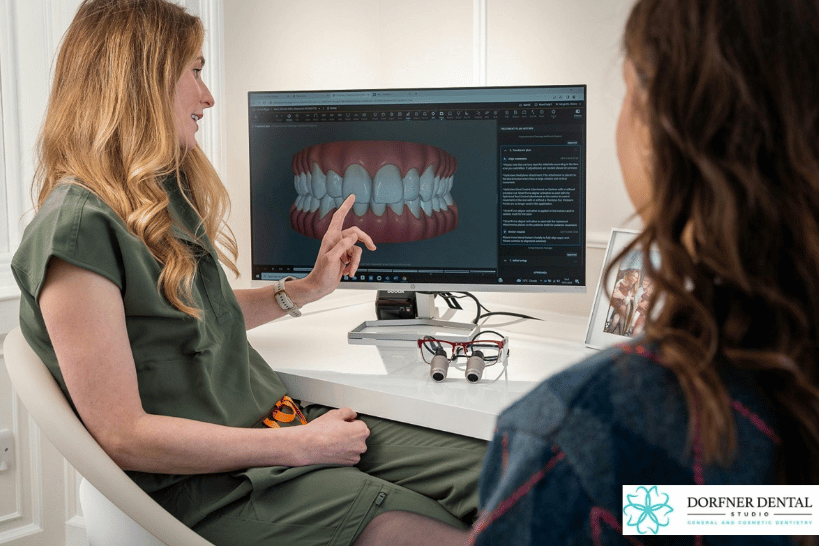
Dental Implants and an Alternative Approach
For some, dental implants offer a longer-lasting option. Implants sit in the jaw and support either a crown, bridge, or implant-retained denture. While dental implants can be more complex and may not be for everyone, they help prevent bone loss and tend to last longer than traditional dentures.
Implant-supported dentures still require good care and maintenance. However, they often feel more secure and experience better function for people who struggle with the fit of their dentures.
A Last Word on Long-Lasting Dentures
Dentures in Burlington, NJ, don’t last forever—but with proper care and regular dental visits, they remain effective and comfortable for many years. Whether you wear full dentures, partial dentures, or implant-supported options, keeping them clean and monitoring the fit protects both your oral health and your quality of life. When your dentures stop fitting well or start to show signs of wear, your dentist can guide you on whether a reline or replacement is the right next step.
If you’re in Delran and considering new or replacement dentures, Dorfner Dental Studio offers personalized options designed for comfort, fit, and long-term function.
FAQs
Do partials last as long as full dentures?
Yes. Partial dentures can last 7 to 10 years, similar to full dentures. Their lifespan depends on how well they are maintained and the health of your remaining teeth.
How often should dentures be relined?
Most dentists recommend a reline every 1 to 2 years, depending on how your gums change and how well the denture still fits.
Can dentures last 15 years?
Some dentures last that long, but it’s rare. Wear, bone changes, or damage usually lead to replacement closer to the 10-year mark.